

Achieving financial wellness is a goal that many individuals strive for, it can often seem overwhelming. However, with the right approach and strategy, it becomes easier to manage personal finances effectively. One popular method is the 50/30/20 rule, a simple yet effective framework for budgeting and financial planning.
Understanding the 50/30/20 Rule
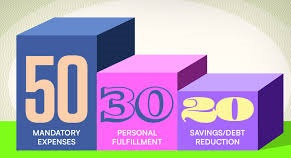
The 50/30/20 rule is a budgeting guideline that suggests dividing your after-tax income into three categories: 50% for essentials, 30% for discretionary spending, and 20% for savings and debt repayment. The rule provides a balanced approach to managing your finances by ensuring that you cover necessary expenses, have room for personal enjoyment, and prioritize long-term financial goals.
Implementing the Rule
Calculate your after-tax income: Start by determining your monthly income after taxes. This will serve as the foundation for allocating your funds according to the 50/30/20 rule.
Allocate 50% to essentials:
Allocate half of your income to covering essential expenses such as housing, transportation, groceries, utilities, and healthcare. This category should include the necessary costs for maintaining a comfortable and secure lifestyle.
Allocate 30% to discretionary spending:
Use 30% of your income for discretionary expenses, such as dining out, entertainment, hobbies, and non-essential purchases. This category allows you to enjoy your income without feeling deprived, promoting a healthy work-life balance.
Allocate 20% to savings and debt repayment: Reserve 20% of your income for savings and debt repayment. Build an emergency fund, contribute to retirement accounts, and pay off high-interest debts to secure your financial future.
Track and adjust: Regularly monitor your expenses and make adjustments if needed. Consider cutting down on discretionary spending or finding ways to increase your income to achieve financial goals more efficiently.
Benefits and Tips
Adopting the 50/30/20 rule can bring several benefits. It helps you create a clear spending plan, avoid overspending, reduce debt, and build savings over time. Here are some additional tips to make the most of this approach:
Automate savings: Set up automatic transfers to ensure that a portion of your income goes directly into savings or investment accounts.
Prioritize high-interest debt: Allocate a larger portion of the 20% toward debt repayment, focusing on high-interest loans or credit card balances.
Revisit your budget periodically: As your financial situation evolves, review your budget regularly to accommodate changes in income, expenses, or financial goals.
The 50/30/20 rule simplifies the process of achieving financial wellness by providing a clear framework for budgeting and managing money effectively. By following this rule, individuals can strike a balance between essential expenses, personal enjoyment, and long-term financial stability, leading to a more secure and fulfilling financial future.